Distributed learning refers to non-face-to-face communication between students and teachers. The pandemic forced people for better or worse to transition away from face-to-face instruction. One silver lining of this shift is that people ended up engaging with and becoming familiar with technology that they probably would not have voluntarily used if it were not necessary.
Some have argued that online learning is a poor replacement for face-to-face learning and learning tends to be passive whereas others claim the debate surrounding pedagogy vs. modality depends on classroom design. While it is true that whether a learning experience is passive or dynamic depends on the pedagogy applied in that modality, I find that passivity and fatigue set in much faster in a distant online format than a in class format. Importantly, the question as to who ultimately benefits from distributed learning will influence how we move forward. I believe that this was initially a trojan horse by tech companies claiming that it would lessen the workload on instructors in the hope that they in turn would recruit students to adopt this technology and the utility of this technology for students was serendipitous.
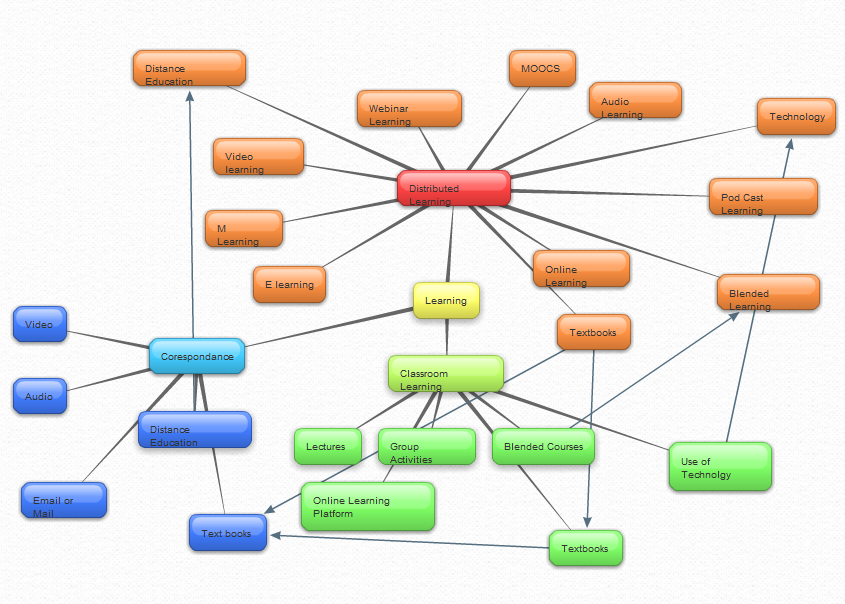
As our class is an example of blended learning, the professor demonstrated how our interactions, content delivery and assessments range on a spectrum of teacher and student control and asynchronous and synchronous learning. The variety provides different avenues for communication. Could this be the future of public-school learning? Is it necessary for every student to come to brick and mortar facilities everyday when the technology enables to learn remotely? Is the school just a baby-sitting center that allows parents to work full-time? Without a doubt, this technology has allowed for a democratization of learning that will allow rural access to high-quality education.
Leave a Reply
You must be logged in to post a comment.